

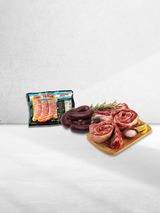
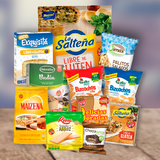
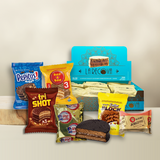



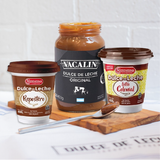

If a recipe calls for asado de tira, look at the bones. Each strip has a row of small bone cross-sections. Thick ribs cut lengthwise cook differently, even when both packages say “short ribs.” These five names will help you choose a cut and plan when it goes on the parrilla.
Five cuts at the butcher counter
- Entraña — skirt steak. Long, thin and visibly grained. It suits a quick turn over strong heat. Notice the direction of the fibers before grilling, then slice across them at the table.
- Asado de tira — cross-cut short ribs. The butcher’s tira shows the characteristic row of bone sections. Thin strips grill quickly. Give thicker pieces a gentler patch of the grill and more time.
- Bife de chorizo — strip steak. A boneless loin steak, close to a New York strip. On an Argentine menu bife de chorizo means beef steak, while chorizo on its own means sausage.
- Vacío — a whole flank-region cut. The Argentine vacío can be a broad piece with layers of fat. Ask about its size before substituting a trimmed American flank steak in a recipe. Start a thick whole piece over the gentler heat.
- Colita de cuadril — tri-tip. This tapered roast is thick at one end and narrow at the other. Point the narrow end toward the cooler part of the grill and check the thick end with a thermometer.
Build a menu around your grill
For a small gathering, choose one main cut. Add pork chorizo, rolls and chimichurri for choripán, plus a tomato-and-onion salad. A round of skillet provoleta makes a starter to share. Check the approximate whole-piece weight on the beef product page before deciding how much to order, especially when buying bone-in ribs.
- Set up a hotter zone for browning and a gentler zone for thicker pieces. Get the salad and condiments ready while the grill heats.
- Start a whole roast or thick ribs first. Add chorizo with time for the center to cook fully. Save the thin entraña and the cheese skillet for the last stretch.
- Serve in rounds. Offer the cheese with bread while the beef rests, then carve the main cut across the grain. Pass chimichurri at the table.
Use a thermometer in the thickest part, away from bone. For whole beef steaks and roasts, USDA specifies at least 145°F followed by a three-minute rest. Bring raw pork or beef sausage to 160°F. USDA cooking temperatures